Introduction
At DigiPay, part of the Digikala Group payment ecosystem, this four-week design sprint examined how people excluded by traditional bank-based credit scoring might better understand and build their creditworthiness.
Problem statement
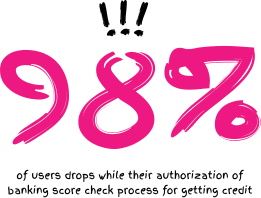
Many people lacked access to credit and Buy Now, Pay Later products because they did not have a conventional banking credit score, even when their financial behavior was responsible.
The proposed solution
The team explored alternative behavioral signals, such as purchasing patterns and payment history, as part of a credit evaluation model. The design work focused on making the resulting score clear, trustworthy, and actionable. Algorithm development was a wider product initiative, not solely a design deliverable.

Design sprint process
Benchmarking
We studied global credit-scoring approaches, including FICO in the US, Schufa in Germany and emerging-market alternatives, to understand different approaches to eligibility and transparency.
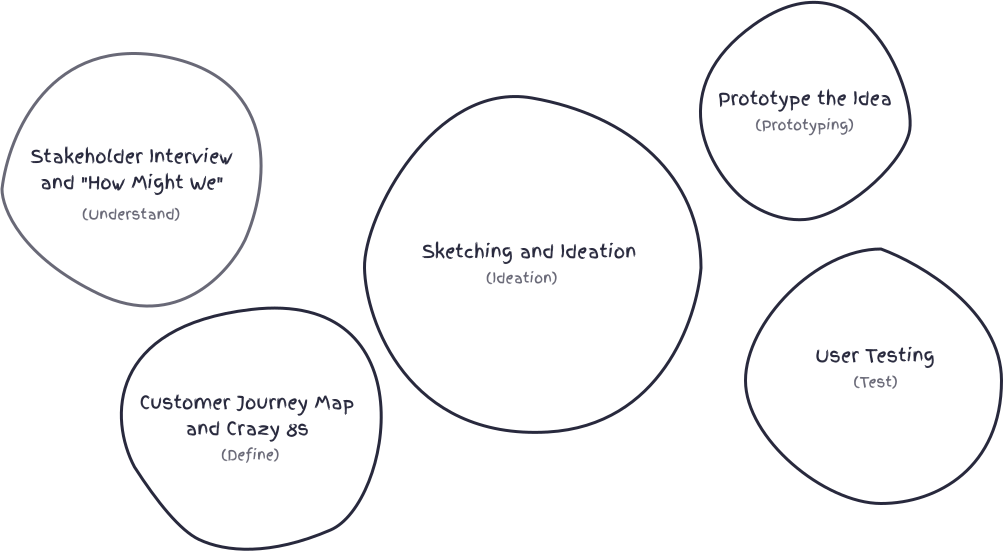
Stakeholder interviews
Interviews highlighted transparency and trust: users should understand what influences their score and what actions they can take.
How Might We statements
We reframed the challenge through questions such as: “How might we enable users to build creditworthiness through everyday financial interactions?”
Note-N-Map and journey mapping
In a session with eight users, we explored points of confusion and uncertainty in the credit experience.
Crazy 8s
Rapid sketching helped the team explore multiple interface concepts before choosing directions for prototyping.
Iteration and testing
We tested successive prototypes with users and refined confusing areas. The original case study reports improvements through a fourth iteration and a final SUPR-Q user-test score of 9.4/10.
Reported result
The resulting interface aimed to make credit scores clearer and easier to act on. The original study reports a follow-up survey of 50 participants and increased engagement and satisfaction, but does not provide the underlying comparative figures here.